The Illness

By Bryan Miller Posted on January 29, 2026
“The static electricity was building. Standing in a talus field with no trees, nor cover of any significance, Leader asked us, 'What the hell are we gonna do?' ”

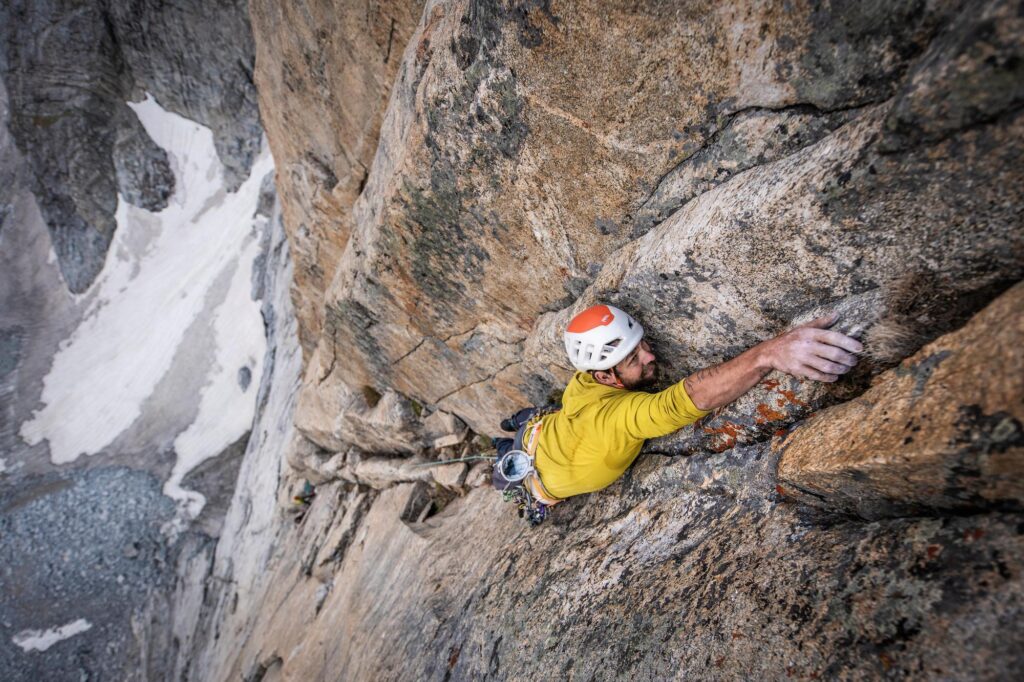
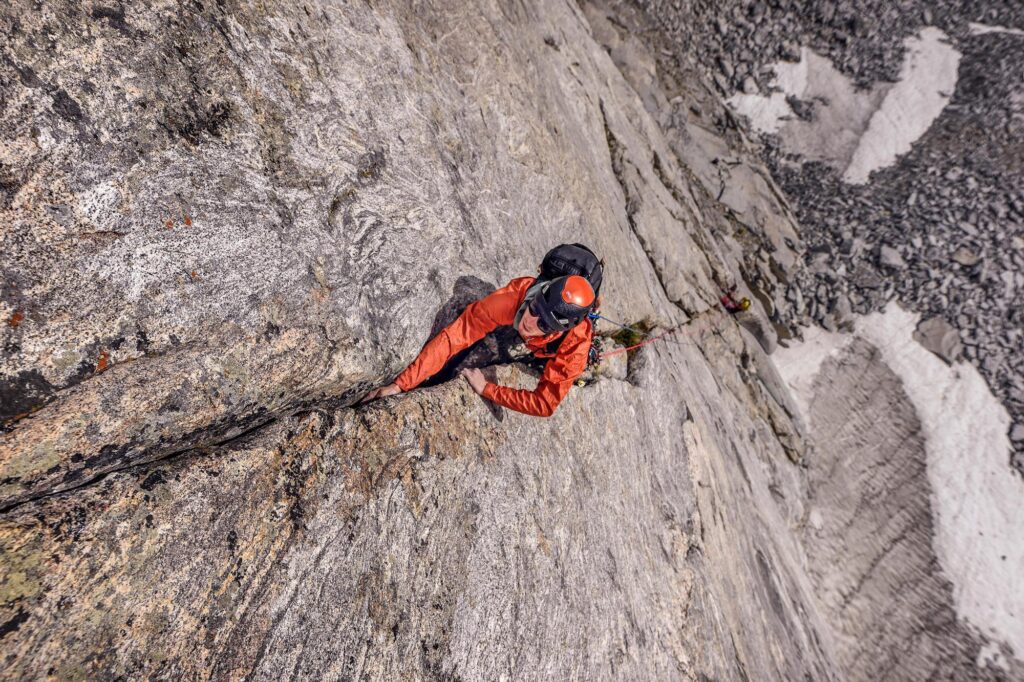
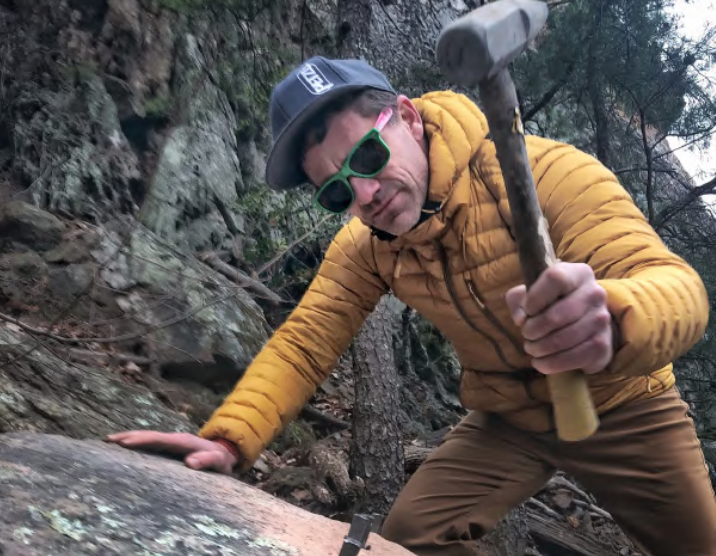
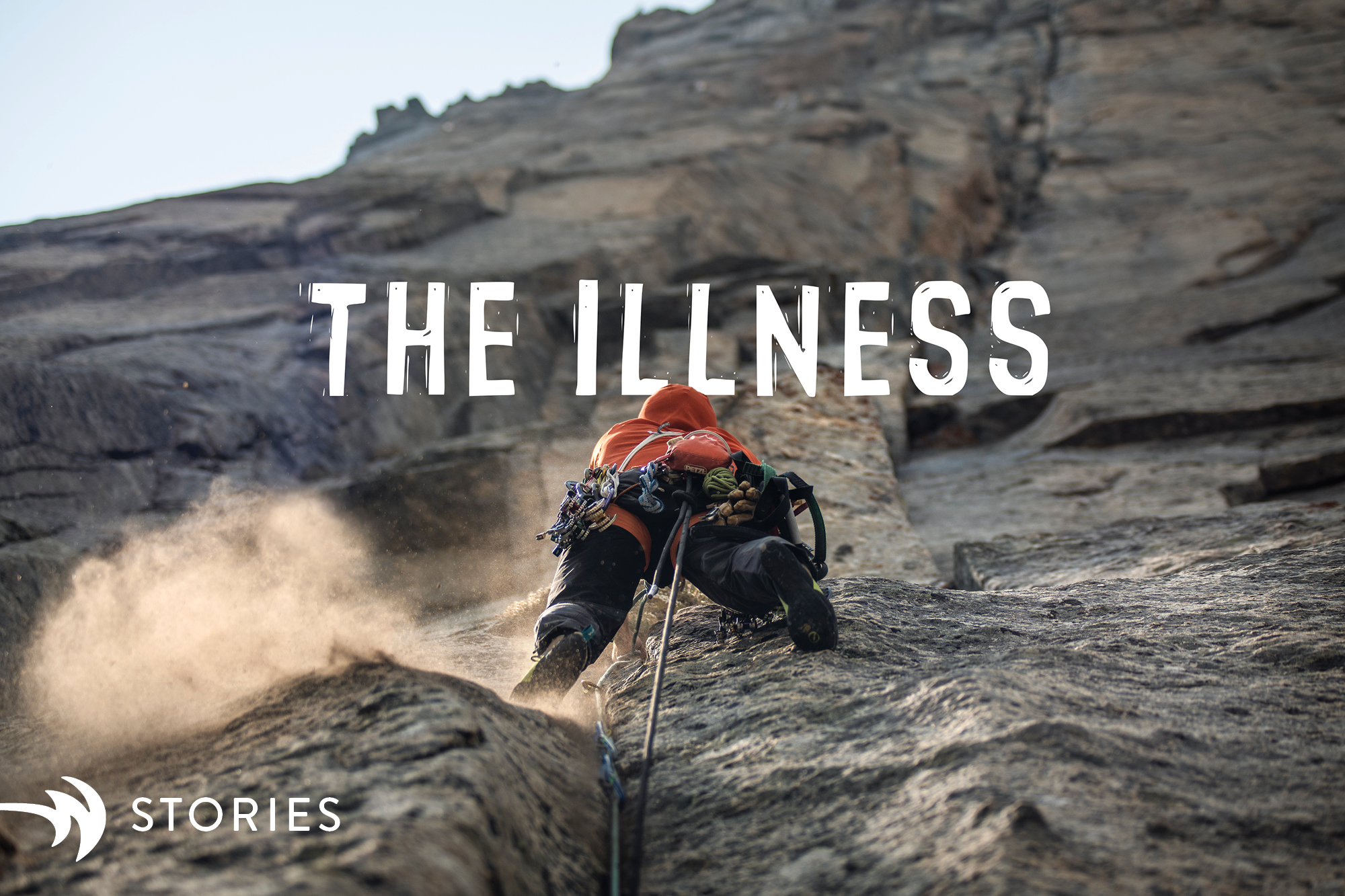
On a late August day, 13.5 miles deep in the Wind River Range and 1,100 feet up an unclimbed cliff face, storm clouds gathered around us while our hopes were fading. Jared Leader, a good friend and long-time climbing partner, had been working on pitch-9, digging dirt from a crack — a task often necessary to climb a route that has never been tried before — for nearly three hours, while Heath Rowland, my serial adventure partner, and I debated whether our belay anchor was secure. Leader was exhausted, his hands blistered from swinging the sharp end of a hammer into the dirt. The dream of establishing the first free ascent of The Illness (5.11-, 10 pitches, 1,300 feet) was slipping away.

Our window of opportunity was closing, and a decision to retreat was imminent but my thoughts drifted elsewhere. This was our third year attempting to free climb The Illness, the same number of times James and Franziska Garrett, and Fred Beckey (‘88, ’97, and ‘99) had originally attempted and failed to free the route. The parallels of the story did not escape us. Even the route name, The Illness, emerged after the original ascent party remarked that anyone who returned to the remote wall three times, endured the brutal hike and blue-collar aid climbing, must have had “an illness.”

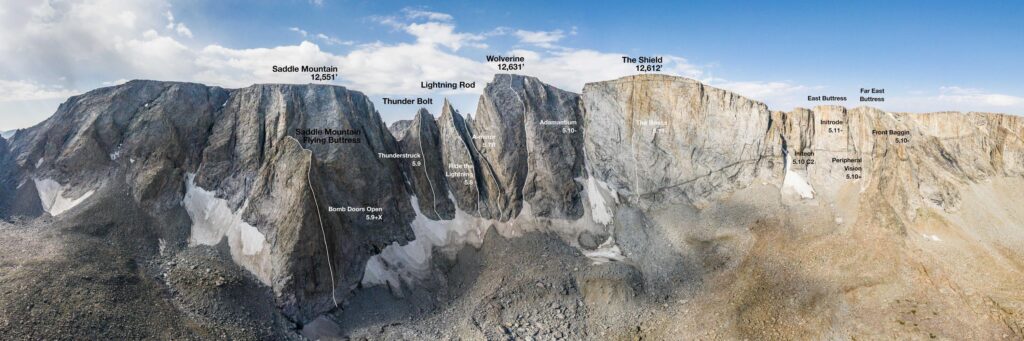
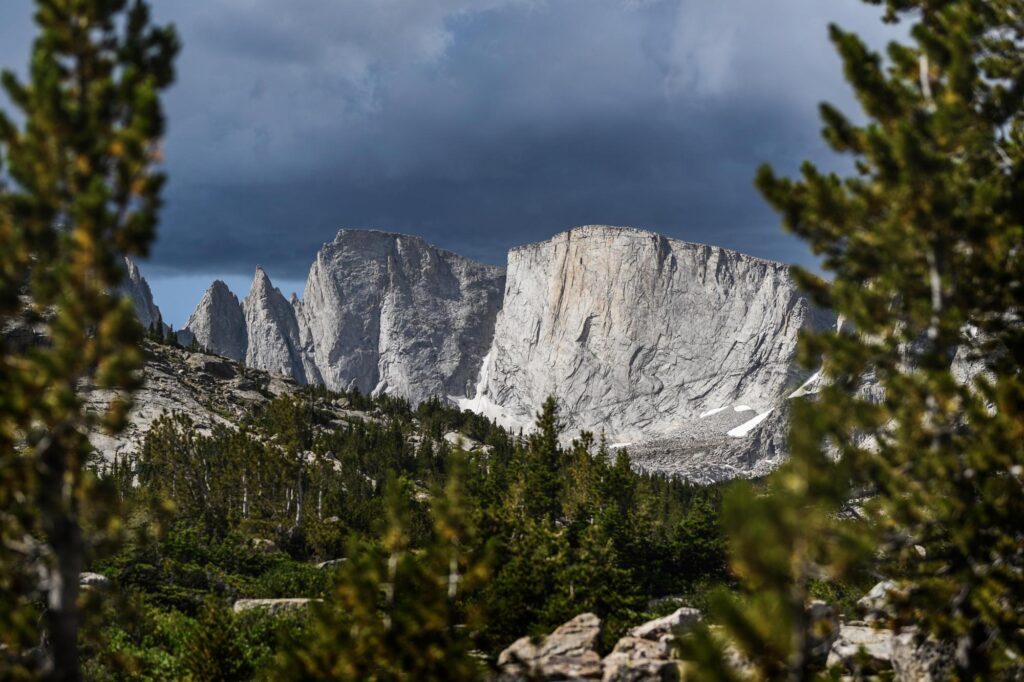
I had always considered myself an introverted creature of passion and discipline. From a young age, I’d thrown myself into hobbies and sports with a fervor that frequently left friends and family questioning my sanity. Whether it was fishing, racing bikes, or climbing rocks, I was immersed, driven by a deep, intrinsic obsession to perfect every process. However, it wasn’t until I visited the Wolverine Cirque, an impressive amphitheater of mostly unclimbed craggy peaks, that I understood the true nature of obsession.
In the late ‘90’s, S. Rachman theorized that “obsessions are caused by catastrophic misinterpretations of the significance of one’s intrusive thoughts/images/impulses”. And after the initial trip in 2018, the three of us were all struggling with our own misinterpretations of reality. Romantic dreams of climbing the 1,300-foot crack [The Illness], regardless of risk and time, flooded our minds. Perhaps the same obsession that drove the Garretts to attempt the route a third time after a near-death experience when they dislodged a refrigerator-sized boulder from pitch-7 during their second attempt in 1997.

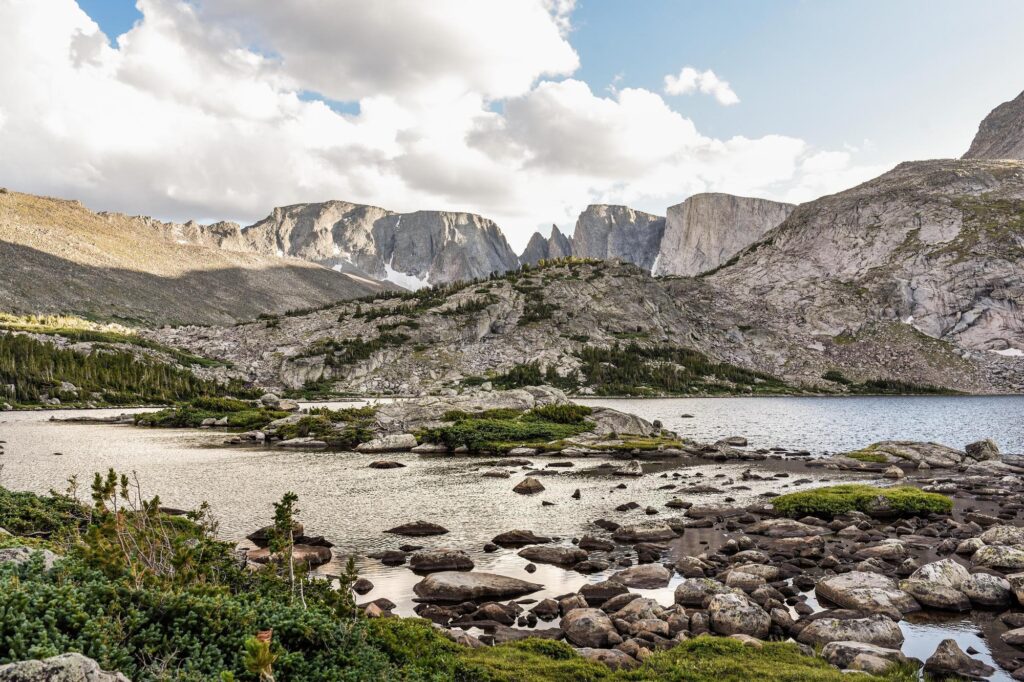
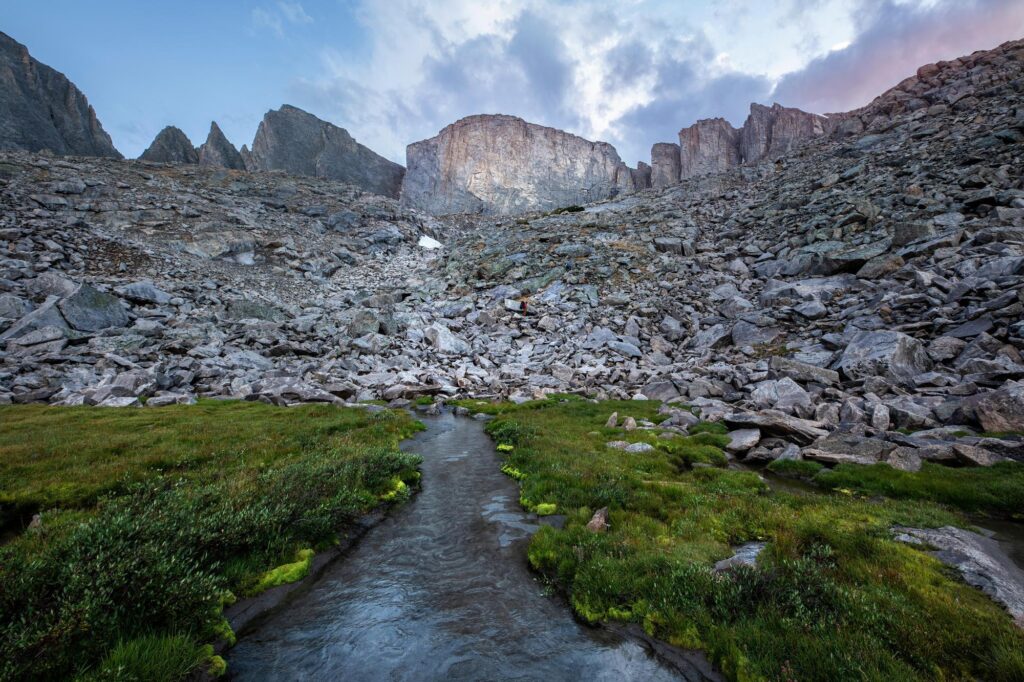
The Wolverine Cirque lies at the head of the Wilson Creek drainage, a beautiful but seldom-visited area that lies within Wyoming’s Wind River Indian Reservation, home to Eastern Shoshone and Northern Arapaho tribes (access by tribal permit only). Rough cut, vertical granite walls to the south, east and west, and clear alpine valley lakes extending northeast make for a highly aesthetic experience. But after establishing several first ascents (FAs) in the drainage, a result of several summer trips into the area, including Adamantium (1,200-feet, 8 pitches, 5.10-) on Wolverine Peak (12,638-feet) and A-Minor (1,200-feet, 7 pitches, 5.7R on Lightning Rod Spire), we were obsessed with The Illness. No, scratch that. We were infected by The Illness.

As an aside: In climbing, the difficulty rating spans a wide spectrum, from 5.5, which is generally beginner-friendly vertical terrain that still requires a rope and specialized equipment, to 5.15, which demands extreme skill and world-class ability. That comparison of difficulty blurs completely, however, when a climber is establishing a route from the ground up: a term used to describe starting a climb from the ground with no knowledge of the terrain ahead. Add to this the hazards of spending multiple days on a wall, where exhaustion compounds and focus begins to fray, and the sustained effort of climbing 10 pitches, 1,300 feet, and 5.11 quickly feels far more serious. The rating rarely tells the whole story, and The Illness is no exception.

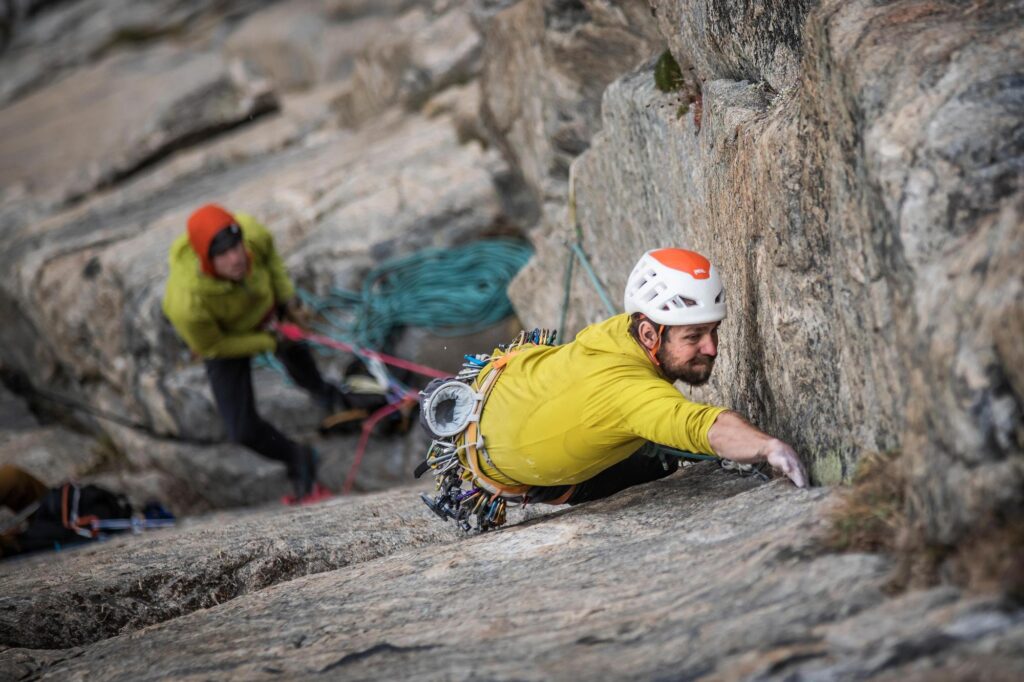
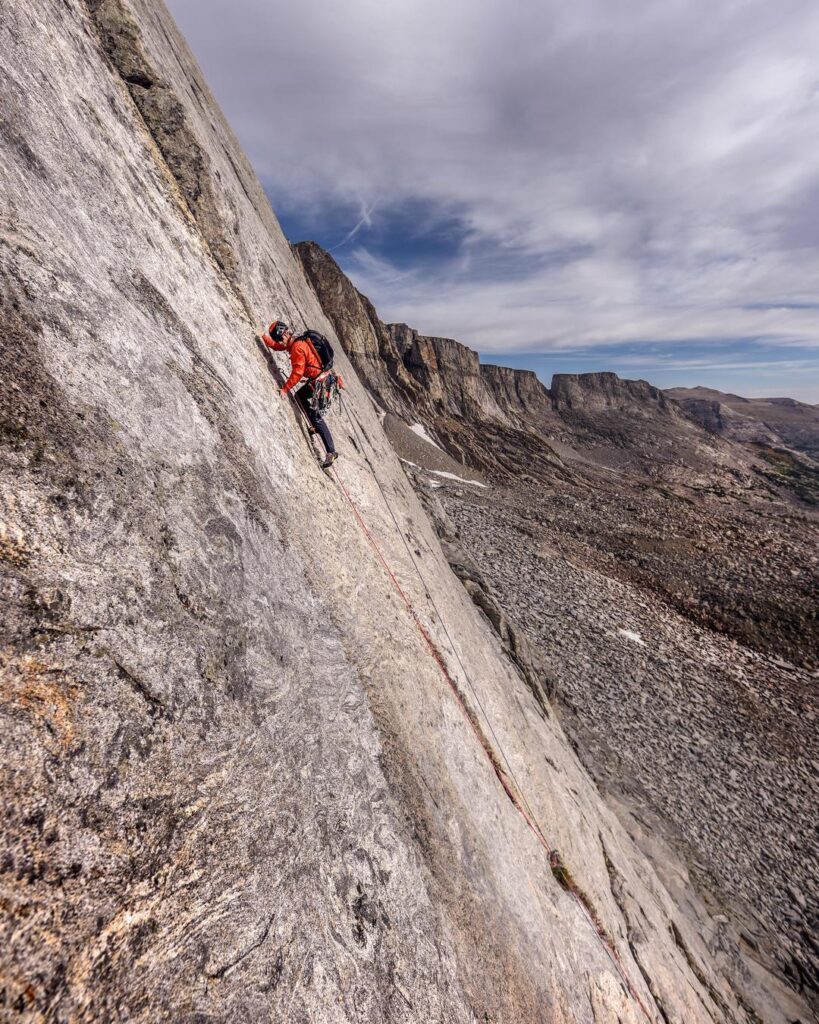
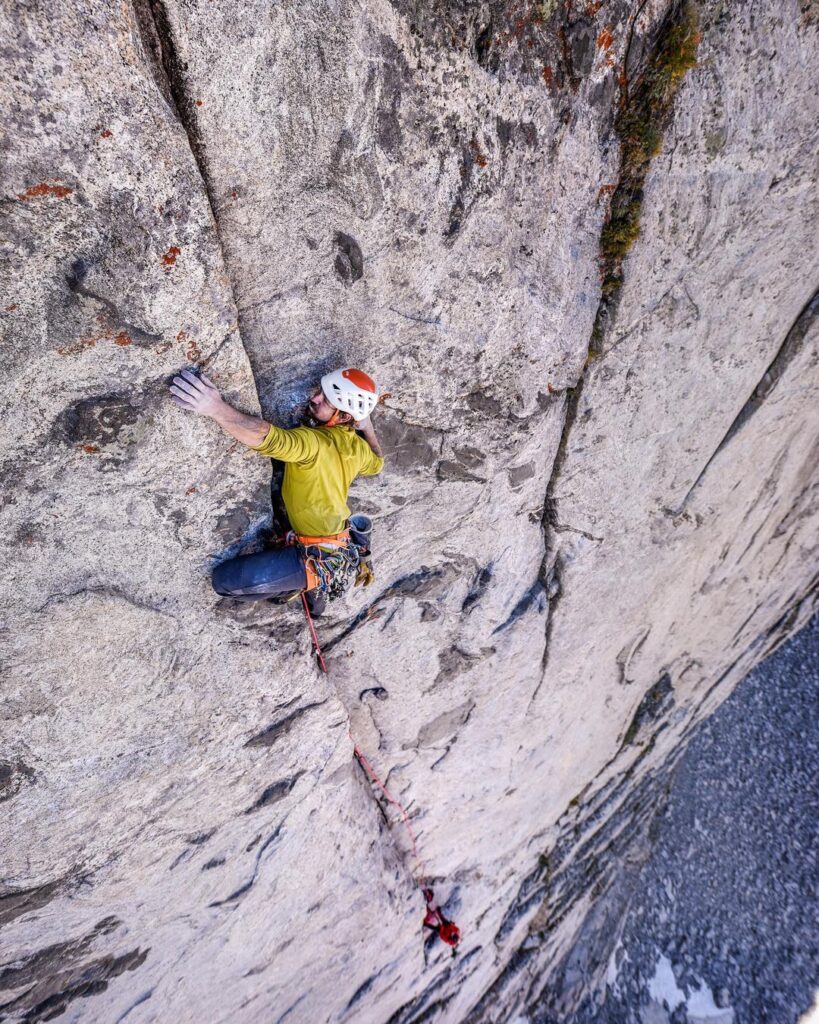
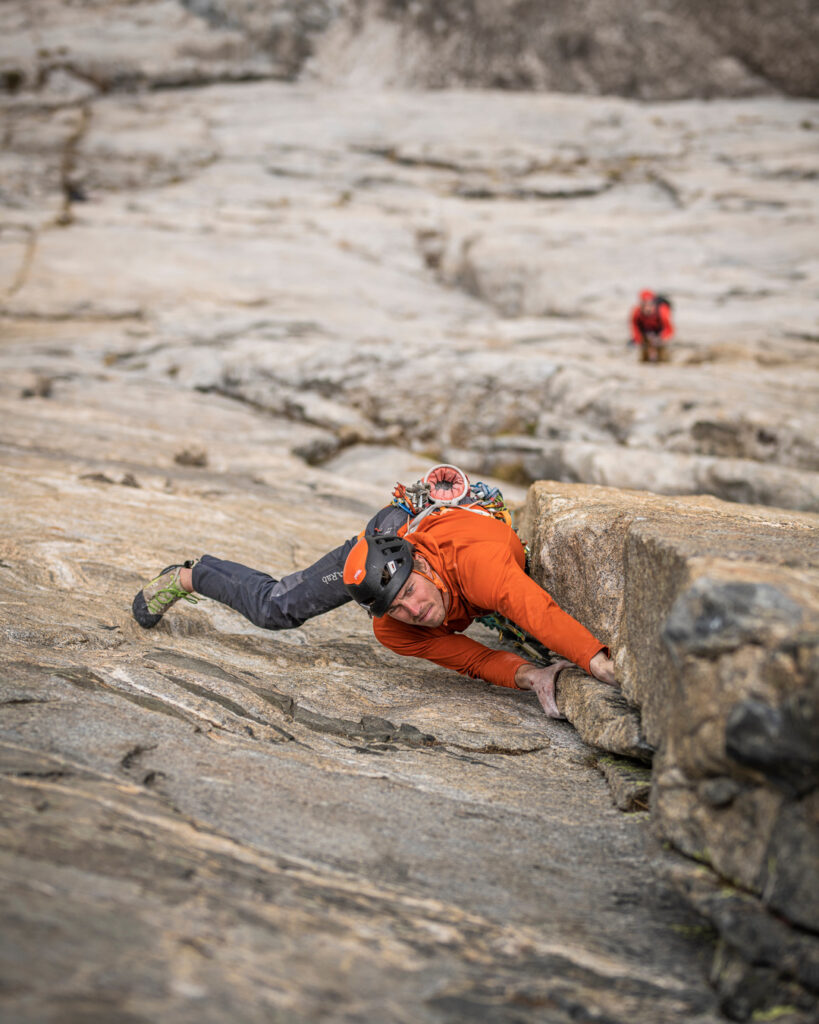
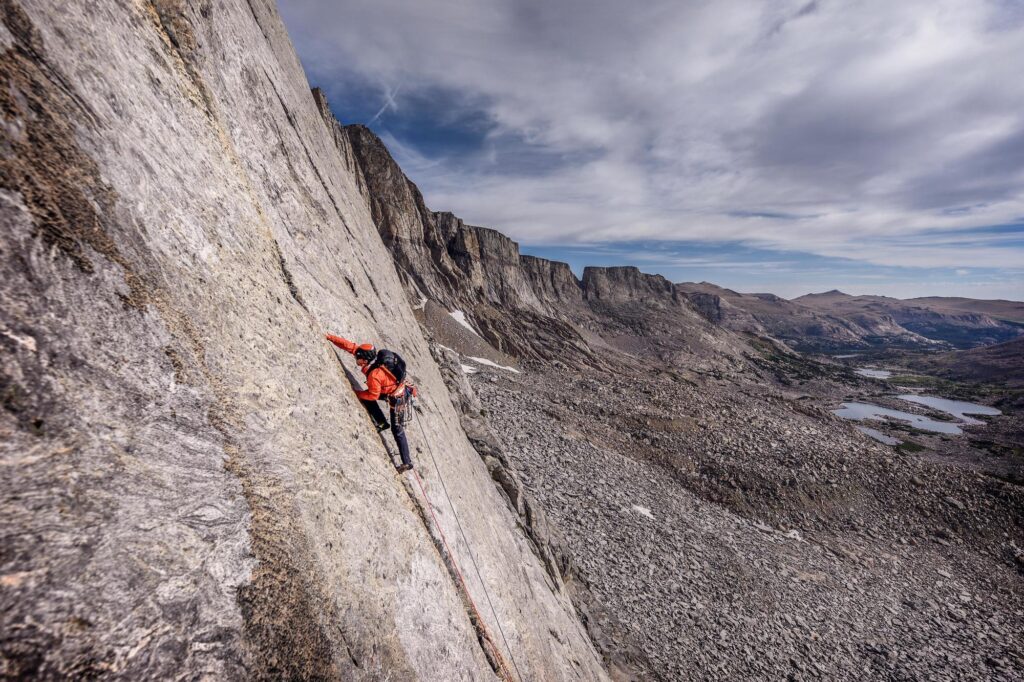
Two days before we arrived at the base of pitch-9, we managed to redpoint (climbing each pitch clean without falling) up to pitch-8. Memorable pitches included Rowland’s lead of pitch-5 (5.11-)— a thin, powerful corner with sparse gear and Leader’s lead of pitch-6 (5.10+)— one of the finest cracks we had ever encountered. Pitch-8 (5.10+), a pitch we later dubbed the “Hateful Eighth,” was more of an acquired taste. With a steep off width leading to an overhanging boulder problem and a delicate dance over loose rock, the Hateful Eighth was “engaging”: ambiguous code climbers usually employ when they fear climbing a pitch but want to coax their friends into climbing the pitch and experiencing the same fear.

By the end of the day, only 300 feet of climbing remained, so we decided to lower, return to the ground, and rest at base camp.

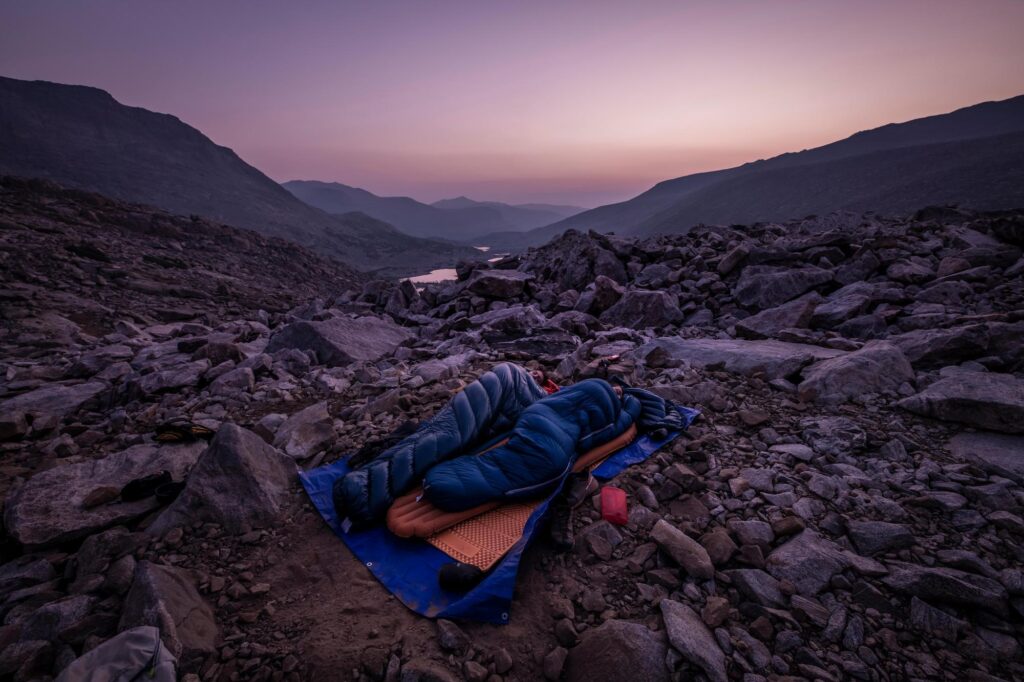
Like many ideas that sound great, our final strategy to climb pitch-9 and pitch-10 was ironed out while allowing merriment by the campfire to do its trick on us. We would take a light bivy kit to the base of The Illness, sleep in the talus field three miles from base camp, and get an early start for the final push.

The fire wilted to a faint orange glow, and we wobbled off to our respective tents.

Beyond the towering cirque walls to the west and out of sight, clouds were building and roiling as we slept.

A red dawn came and went. By mid-morning, the sun turned our tents into solar ovens. A good method for sweating out any previous night’s toxins. We gathered around the camp stove for our favorite meal— sauteed summer sausage, cheese, and tortillas. Rowland was the first to ask, “Have you looked at the sat [satellite] phone forecast?” The answer was no, but we didn’t really need to see it. You could feel the change in weather systems. The phone chirped… 50% chance of storms by late afternoon and continuing into the evening.

The weather forecast was far from ideal, and yet, the obsession gripped us.

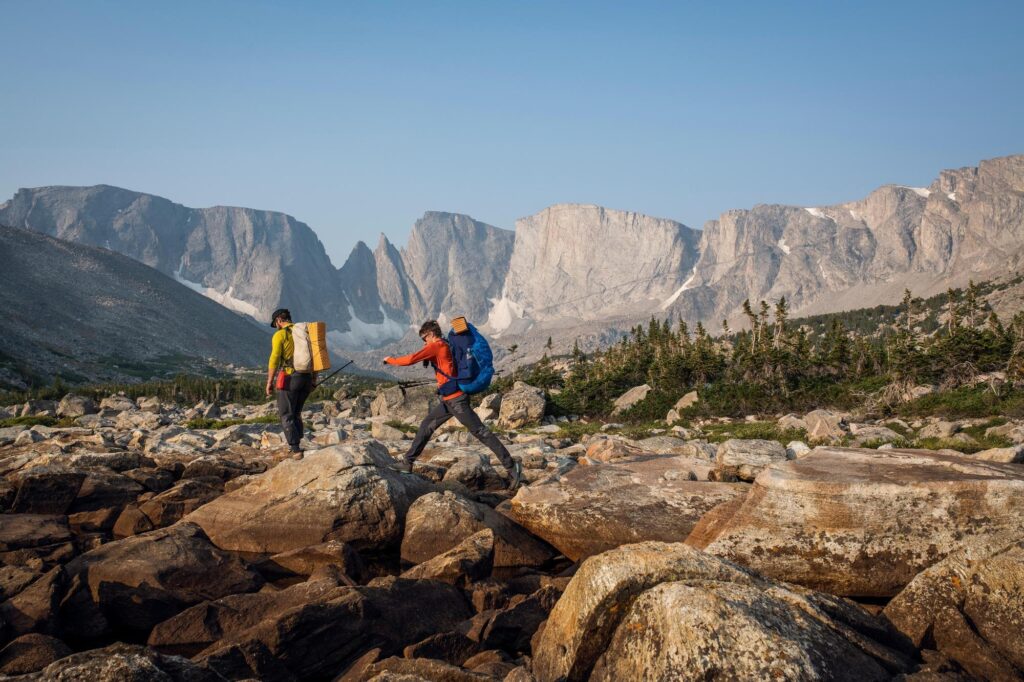
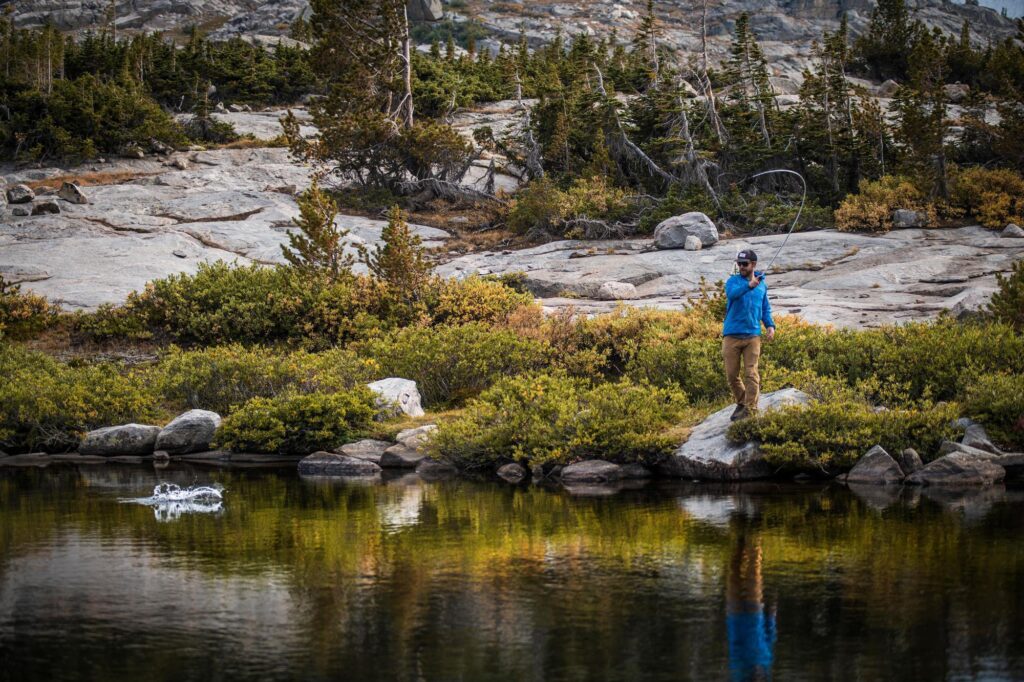
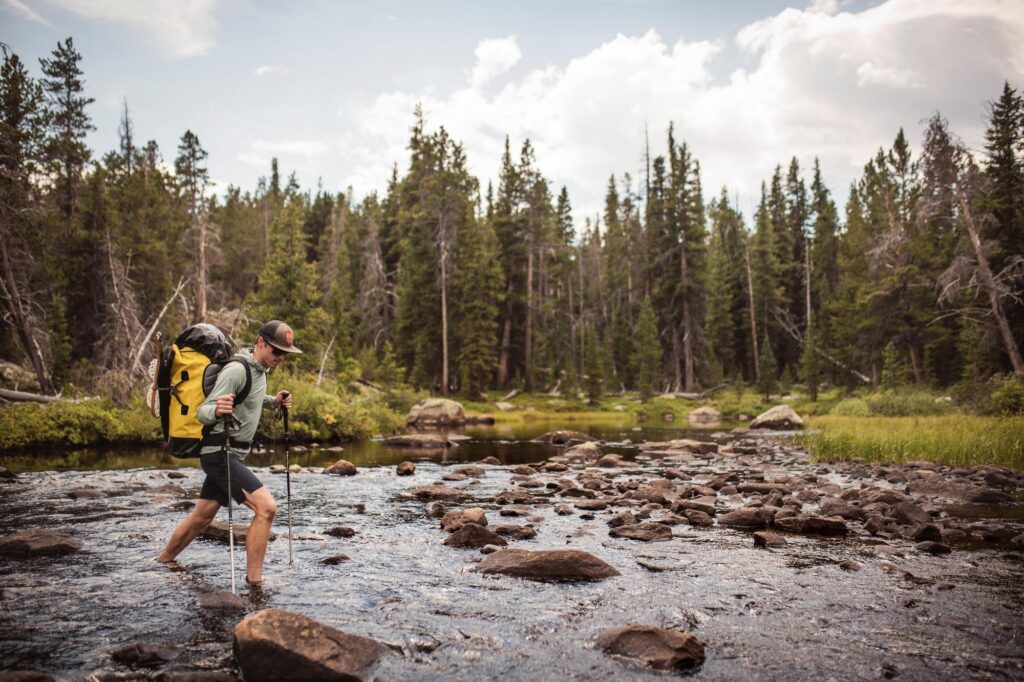
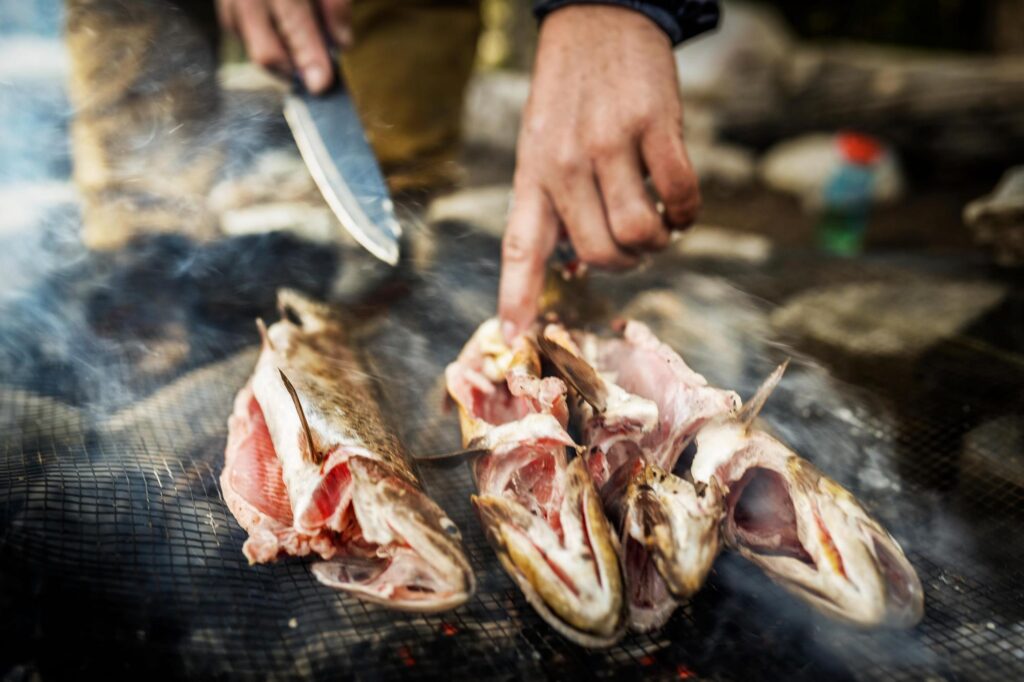
We rallied shortly after 2 pm to start the maze-like hike. A trailless effort that skirted the western headwaters of Enos Lake to Tigee Lake, our favorite two lakes for catching trout; rock hopped massive boulders up a cascade and continued over more talus around unnamed alpine lakes. Off in the distance was a cow moose. While there was scat everywhere in the drainage, this was the first time we had seen a big animal that far up in the cirque.

The further we hiked, the worse the clouds looked. It wasn’t long before we saw thick, jagged bolts of lightning connecting the dark clouds above us to the rock underneath our feet. The static electricity was building. Standing in a talus field with no trees, nor cover of any significance, Leader asked us, “What the hell are we gonna do?”

Before that question was completed, Rowland was ducking under a boulder just big enough to squat and lean against.

A few terrifying moments later, the clouds broke, a rainbow appeared, and Rowland laughed and quipped, “It wasn’t even that bad… I dunno, I think I’m just chicken shit.”

The night proved to be just as volatile. Lightning, rain, and wind all combined for an evening of no sleep. With no real shelter to speak of, we were forced to huddle upright beneath the overhang of massive boulders, the only protection beyond our exposed alpine bivy. The stone above us blocked the rain, but there was no space to lie down, no comfort to settle into. Only the constant strain of staying seated, knees drawn close, waiting out each crack of thunder and flash of light.

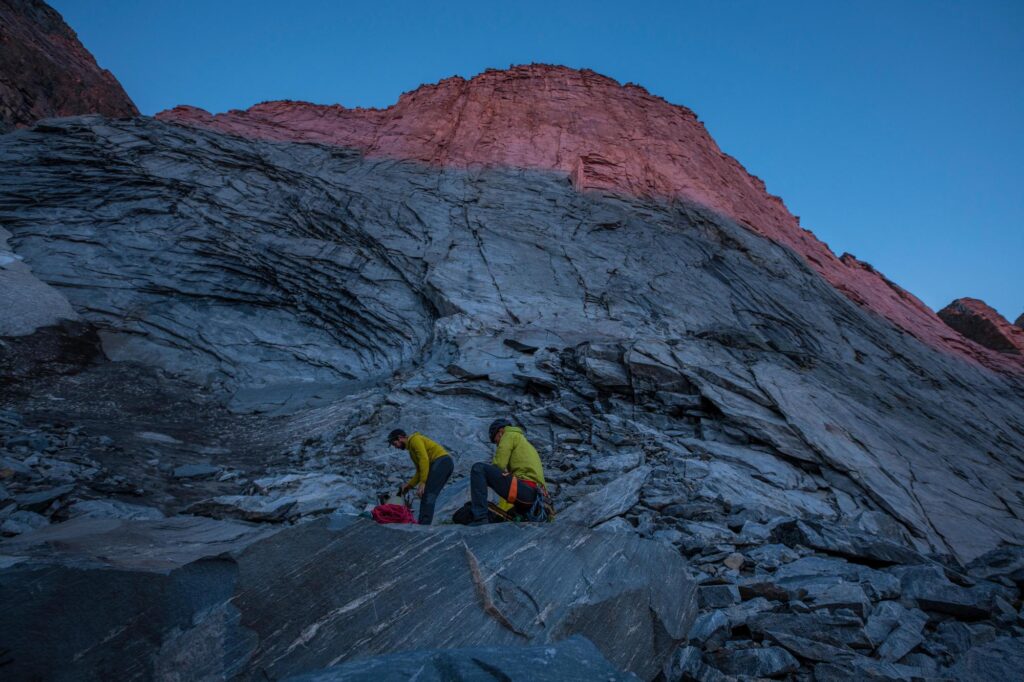
The next day, we marched single file up the final slope to the base of the climb before the sun rose. An effort that hurt more than usual. Perhaps a result of no rest or a belly full of cheap beef ramen with added summer sausage— at some point we will learn a lesson related to the over-consumption of summer sausage.

Three to four hours later, we arrived at the base of pitch-9 with sleet falling. Leader, without hesitating, launched from the belay to dig and clean a 150’ crack with nothing but an aid hammer and his will. An obsessed, soul-deep effort that I had never seen before and have not since. When he returned to the belay, it was clear that he was spent. His shoulders slumped. His face was covered in thick dirt, with the only skin showing through where sweat had traveled. Leader single-handedly unlocked pitch-9 (aka Pitch-NEIN) for the team so we could redpoint it.

Rowland took the sharp end of the rope and on sighted pitch-10 (5.10-). As he pulled himself onto the summit rim, out of the late-day shadows, and into the sun, we all knew this would close out this chapter of obsessive behavior. The only question that remained as we stood on the flat plateau summit was, “When does the next chapter start?”